
 Steven Dam
A requirement changes. The systems engineer updates the specification, but the architecture model still reflects the previous version. The test team continues working from an exported spreadsheet. By the next review, each team has a different understanding of what the system must do.
Model-based systems engineering (MBSE) depends on meaningful connections between requirements, system behavior, architecture, and verification. When legacy tools leave those connections to manual updates, teams spend more time reconciling information and have less confidence in the decisions it supports.
For systems engineering and requirements management teams, the question is whether their tools can preserve engineering context as the system evolves. A model can be technically sound and still be difficult to use across a disconnected workflow.
What makes a tool a barrier to MBSE?
Age alone does not determine whether a tool supports modern engineering workflows. An established application may remain valuable if its information is accessible, versioned, and connected to the rest of the engineering environment.
Problems arise when tools isolate data, depend on repeated exports, or make relationships difficult to maintain. Requirements in documents, architecture diagrams in separate files, and verification results in spreadsheets can each serve a purpose. However, a team must still manage the relationships among them.

Manual traceability becomes harder to trust
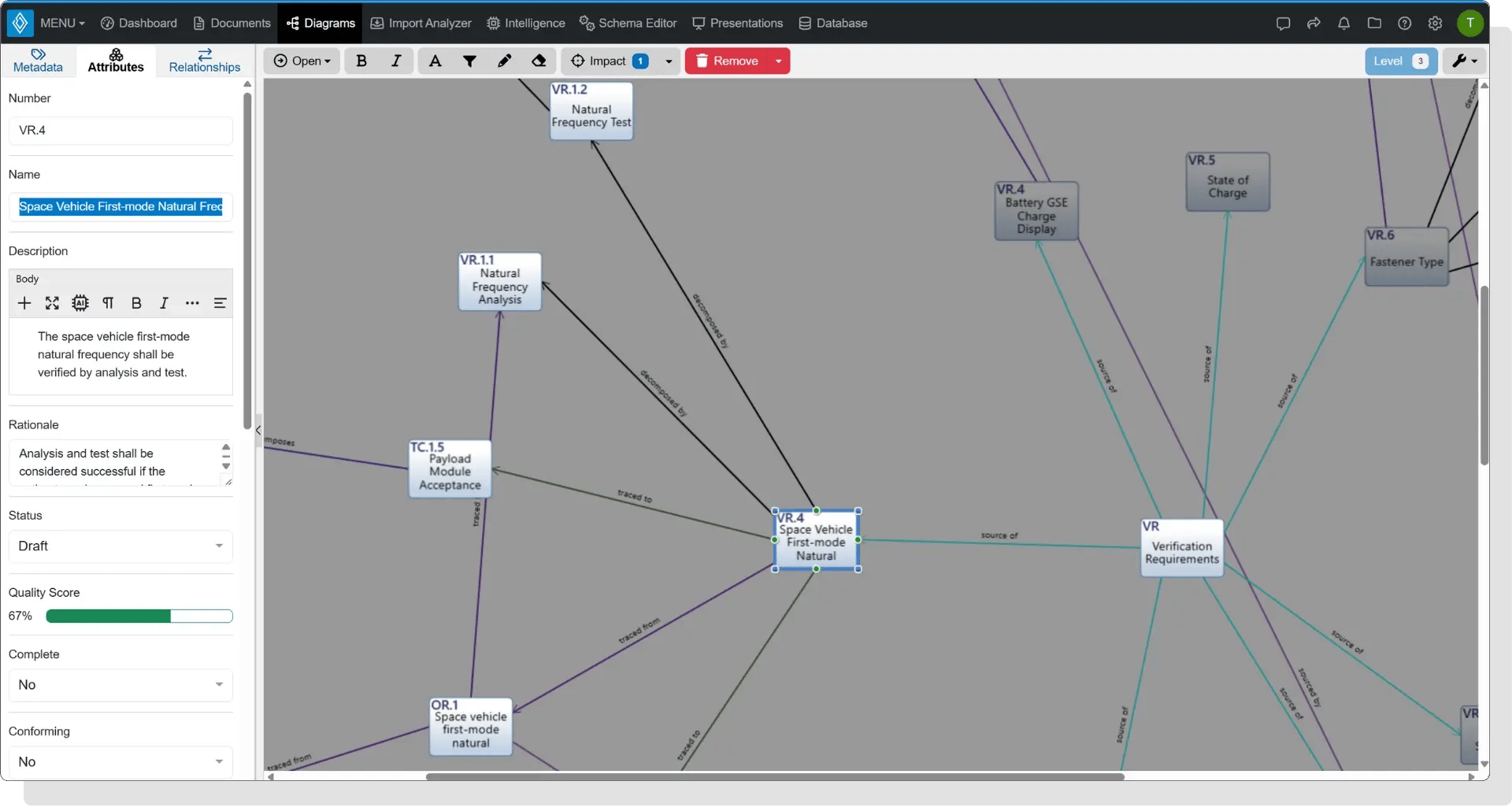
Traceability helps engineers explain why a requirement exists, how the design addresses it, and what evidence demonstrates that it has been met. That explanation depends on relationships that remain valid through change.
In disconnected environments, teams may maintain those relationships through document references, spreadsheet matrices, or manually copied identifiers. These methods can support a controlled baseline, but each revision introduces maintenance work. A requirement may be split, a component replaced, or a test procedure revised without every related record being reviewed.
The result can be a traceability matrix that looks complete while concealing outdated relationships. A link to a test case does not establish that the case verifies the current requirement, or that its latest result applies to the design under review.
Consider an illustrative change to a sensor reporting interval, from once per second to ten times per second. That change may affect data throughput, processing capacity, power use, and verification procedures. If the requirement is connected only to a subsystem name in a spreadsheet, engineers must reconstruct the other dependencies themselves.
Connected systems engineering software can make established relationships available for impact analysis and flag affected records for review. Engineers must still judge whether the links are correct and whether additional impacts exist. The benefit is a more reliable starting point for that judgment.
📖 Related Reading: How to Build End-to-End Traceability
Collaboration slows when context lives in separate files
Systems engineering requires people from different disciplines to make decisions using a shared understanding of the system. Legacy tools can make that difficult when collaboration revolves around distributing files.
An emailed specification or exported diagram captures a particular moment. As work continues, reviewers may add comments to different copies, discuss decisions in separate threads, or approve an artifact without seeing changes to related information. Someone then has to reconcile the feedback and update the engineering records.
This also creates an access problem. If only modeling specialists can navigate the model, other stakeholders may rely on screenshots or presentations that omit the relationships behind a diagram. Reviews become exercises in explaining and rebuilding context.
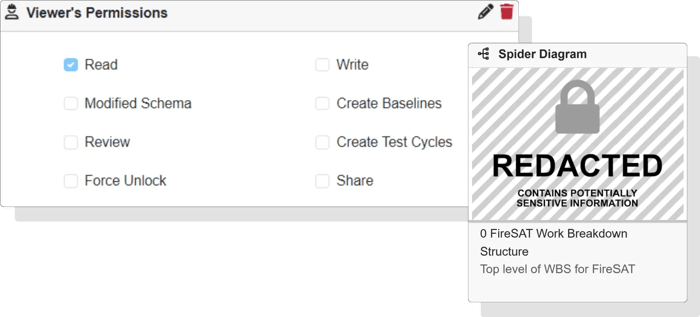
Modern engineering workflows should give stakeholders appropriate access to relevant information, with comments, decisions, and change history tied to the items being discussed. Shared access still needs permissions and configuration control so teams can distinguish work in progress from approved baselines.
📑 Guide: Configuration Management for Data-Driven Systems Engineering (DDSE)
Disconnected tools leave gaps in the digital thread
A digital thread connects relevant engineering information across the lifecycle so teams can follow its relationships and understand its history. For an MBSE team, that may mean following a stakeholder need through requirements and architecture to verification evidence.
Moving data between applications is only part of the task. An export might preserve requirement text while losing relationship types, revision history, approval status, or the baseline associated with a test result. The receiving team has the content but lacks information needed to interpret it confidently.
A connected digital thread therefore needs stable identifiers, defined relationships, version context, and clear ownership. It can span multiple tools, provided their integrations preserve the information required for engineering decisions. Collecting files in a shared folder does not establish those connections.
▶️ Webinar: Building a Digital Thread
Tooling constraints can look like MBSE limitations
When teams add modeling to an unchanged document workflow, they may have to update both the model and a separate set of deliverables by hand. Modeling becomes another maintenance task, and engineers understandably question the value of the effort.
Some perceived MBSE limitations arise from this duplication. Teams cannot fully use connected models if reviews, approvals, and verification tracking still depend on separately maintained copies. Reports generated from controlled model data can reduce duplication, while retaining documents where contracts or stakeholders require them.
Software alone will not resolve unclear requirements, incomplete models, or inconsistent review practices. Teams also need agreed modeling methods, ownership rules, and training. Effective workflow modernization addresses those practices alongside the tools.
📖 Related Reading: How to Get Your Organization to Adopt MBSE

A practical path to workflow modernization
Start with one workflow that repeatedly creates reconciliation work, such as requirement changes through verification. Map where information is created, copied, reviewed, and approved. Identify which system owns each record and where relationships or version context are lost.
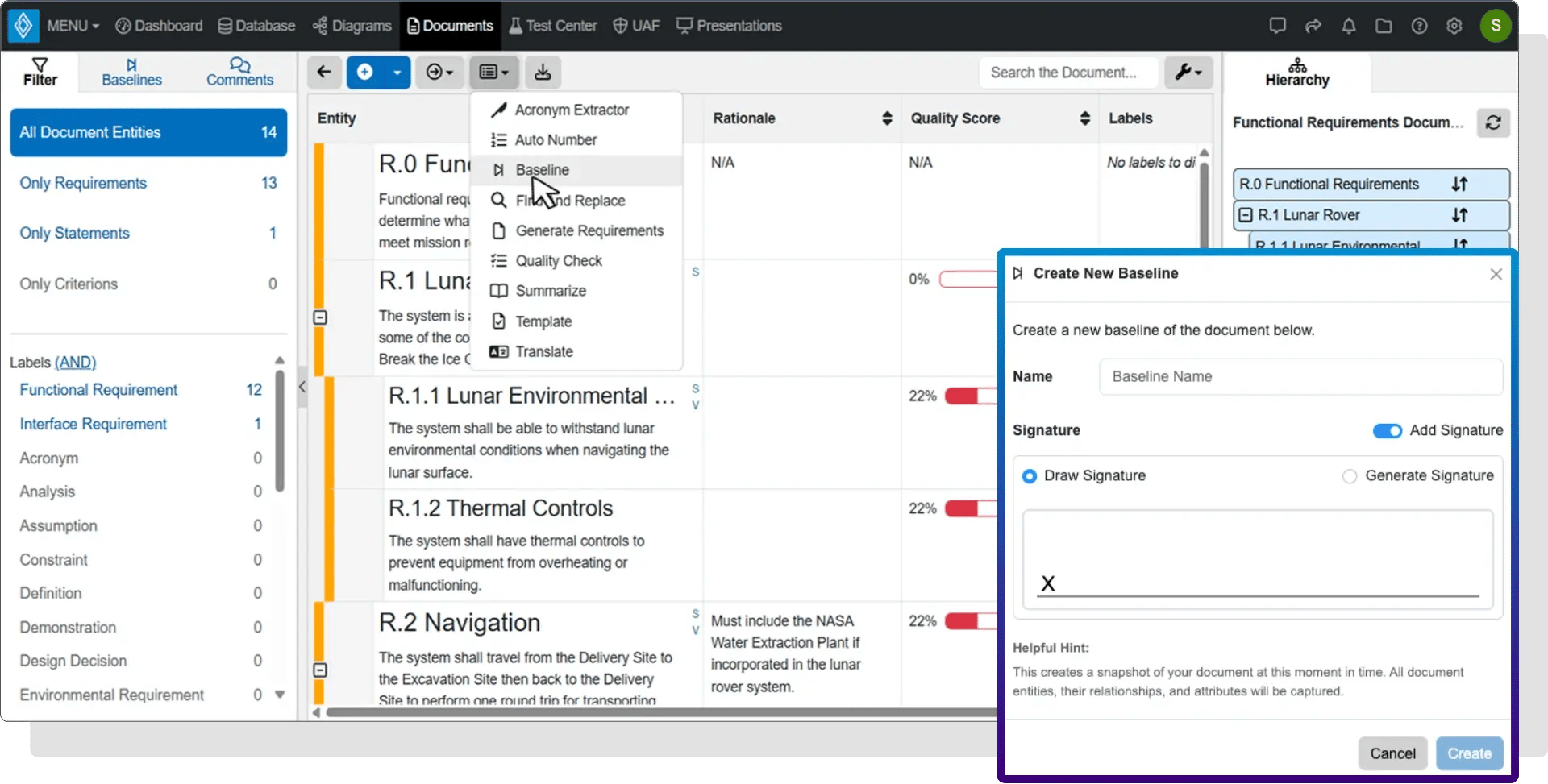
Then test the proposed workflow with a realistic change. Can an engineer identify linked design elements and tests? Can reviewers see the applicable baseline? Does a revised requirement trigger a review of related evidence? Can the team reconstruct the decision later?
Evaluate systems engineering software and integrations against those tasks. Look for maintained traceability, usable change history, controlled baselines, stakeholder access, and data exchange that preserves engineering meaning. An available API is useful, but the actual integration must support the relationships and configuration rules the team needs.
Pilot the workflow on a manageable scope before expanding it. Measure time spent assessing changes, preparing reviews, and correcting inconsistent records. Use those results to decide which legacy tools to retain, integrate, or replace.
📄 Whitepaper: The ROI for an Integrated Tool
Connect your engineering workflow with Innoslate
Addressing the gaps left by legacy tools starts with connecting the information teams use every day. Innoslate supports model-based systems engineering by bringing requirements, architecture models, analysis, and verification into a shared, web-based environment.
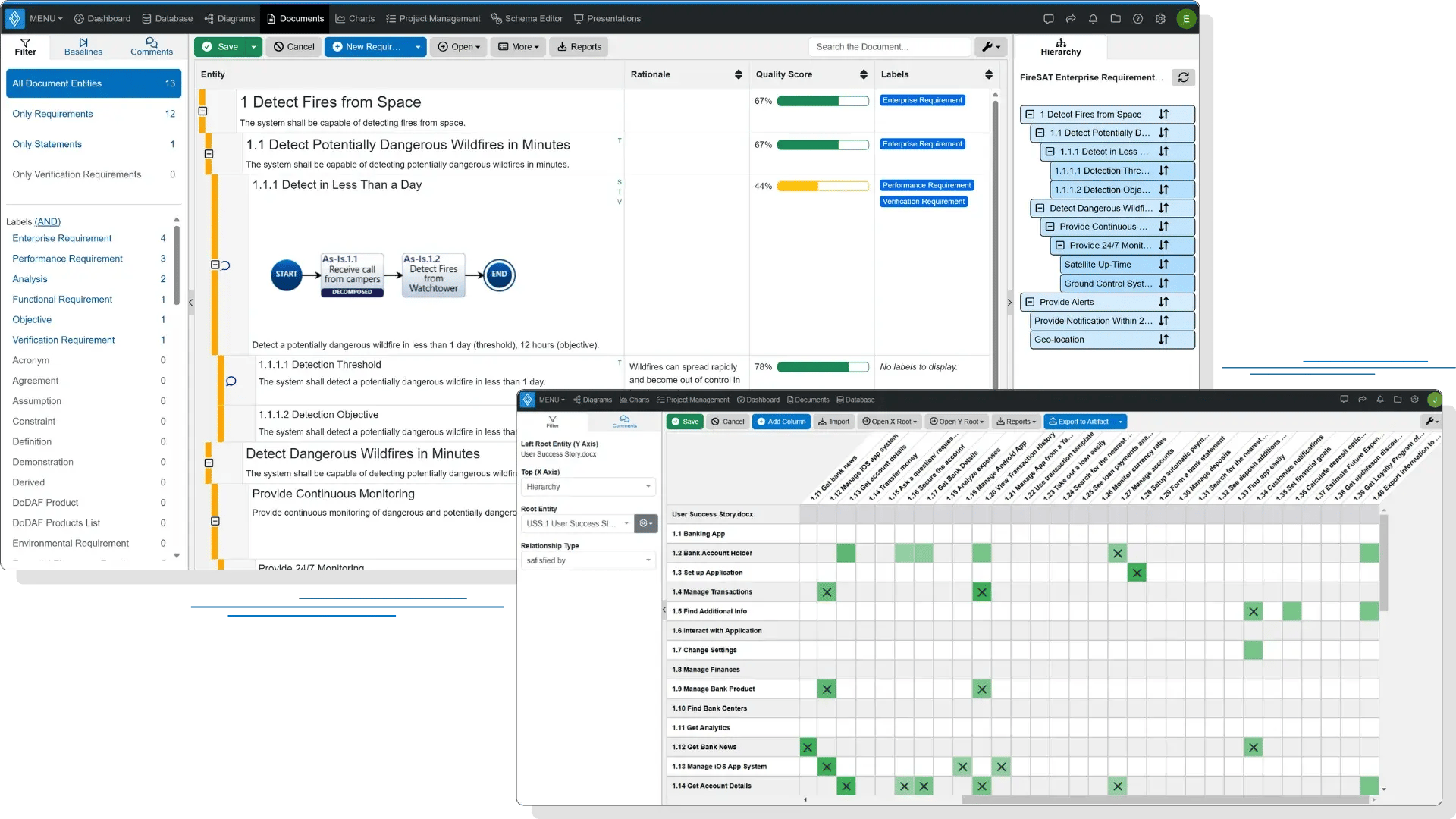
With built-in traceability, teams can maintain relationships between requirements, design elements, and tests throughout the engineering lifecycle. Documents, diagrams, and matrices provide different views of the same underlying data, helping reduce duplicate updates and preserve context as the system evolves.
Innoslate also supports collaboration through shared project access, comments, reviews, and workflows. Engineers and stakeholders can discuss the information in context, helping teams coordinate changes and maintain a connected digital thread from requirements through verification.
📖 Related Reading: Streamlining Systems Engineering: How to Replace 8 Tools with 1
Ready to see how Innoslate can support your team’s workflow modernization?
Schedule a demo to explore how connected requirements, models, and tests can support your engineering process.